Tokenizing Stocks Faces Hurdles Amidst RWA Push
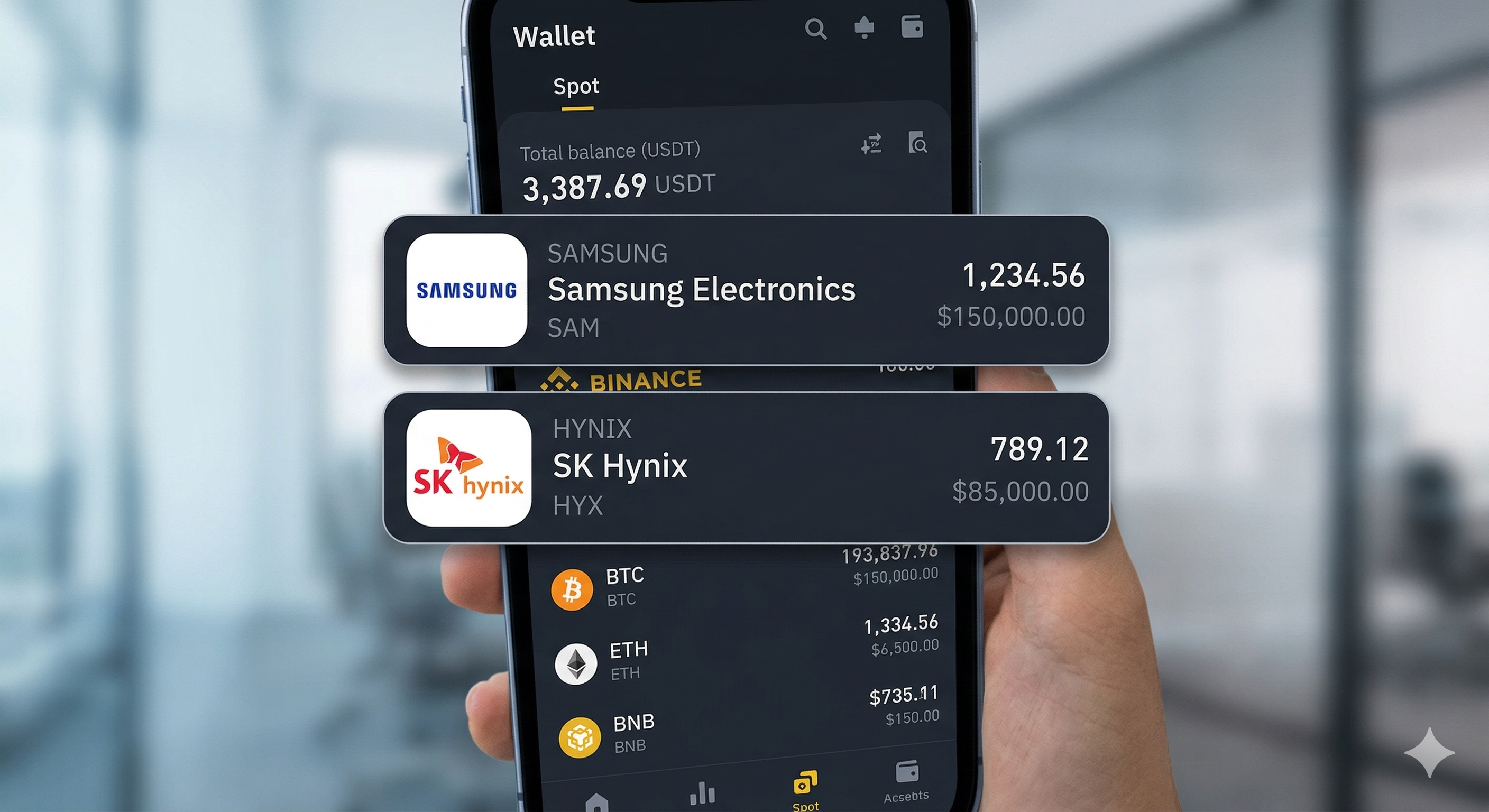
The much-anticipated wave of stock tokenization on major cryptocurrency exchanges is encountering significant headwinds, with platforms like Binance struggling to gain traction beyond basic listings. While exchanges like Hyperliquid and Bitget are actively exploring Real World Assets (RWA), including stocks and commodities, the market response remains lukewarm. This indicates that simply replicating traditional finance (TradFi) rails within crypto infrastructure is insufficient for true adoption.
The core issue lies in the depth and liquidity of order books for tokenized assets. Exchanges are currently listing stocks individually, akin to altcoin listings, which inherently creates a liquidity deficit. This approach fails to replicate the sophisticated market-making and settlement mechanisms found in traditional stock markets. Experts suggest that without fundamental infrastructure innovation, this RWA push will remain a superficial imitation, lacking the robust ecosystem needed to attract significant capital or users.
Asian Market Dynamics in RWA and Geopolitical Shifts
Meanwhile, geopolitical tensions in the Middle East are creating ripple effects across traditional markets, highlighting the interconnectedness of global finance and its potential impact on RWA narratives. The disruption in naphtha supply due to conflicts near the Strait of Hormuz has caused petrochemical-related stocks, particularly those focused on alternatives to plastic, to surge. For instance, in South Korea, companies like Korea Package saw significant price increases. This event underscores how supply chain vulnerabilities in essential commodities can quickly translate into market movements, a dynamic that RWA tokenization aims to capture but currently struggles to facilitate efficiently.
In the lithium market, Sigma Lithium (SGML) is demonstrating a strategic approach to production normalization and sales, aiming for a rebound in 2026 through a 400,000-ton recycling contract and a focus on premium lithium oxide sales. This move, detailed by TokenPost KR, shows how asset-specific strategies are crucial for value realization in the RWA space, independent of crypto market fluctuations.
On the cryptocurrency policy front, Cardano founder Charles Hoskinson stated that Ripple does not require external support for its SEC lawsuit, suggesting Ripple’s focus on the Clarity for Responsible Financial Innovation Act is self-serving. This highlights ongoing debates about industry support and regulatory lobbying within the crypto space, which can influence the perception and adoption of tokenized assets.
Separately, advancements in AI, as noted by TokenPost KR, where AI is developing sophisticated software capabilities, also present both opportunities and threats. The potential for AI to enhance trading algorithms or create new market efficiencies is immense, but the security risks, as evidenced by the leak of Anthropic’s Claude Mythos model, are equally significant. This technological race will undoubtedly shape the future infrastructure for both traditional and tokenized assets.
The current struggles in stock tokenization suggest that a focus on underlying technological infrastructure and market design is paramount. Until exchanges can offer deep liquidity and seamless integration with TradFi systems, the RWA boom may remain confined to niche applications rather than mainstream adoption.
What to watch: The development of standardized RWA infrastructure and the potential for regulatory clarity to unlock institutional participation in tokenized traditional assets.
Disclaimer: This article is for informational purposes only and does not constitute financial advice. Always do your own research (DYOR) before making investment decisions.
Start Trading Today
Get exclusive bonuses through our partner links: