Iran Tensions Spark Asian Market Volatility; Crypto Reels
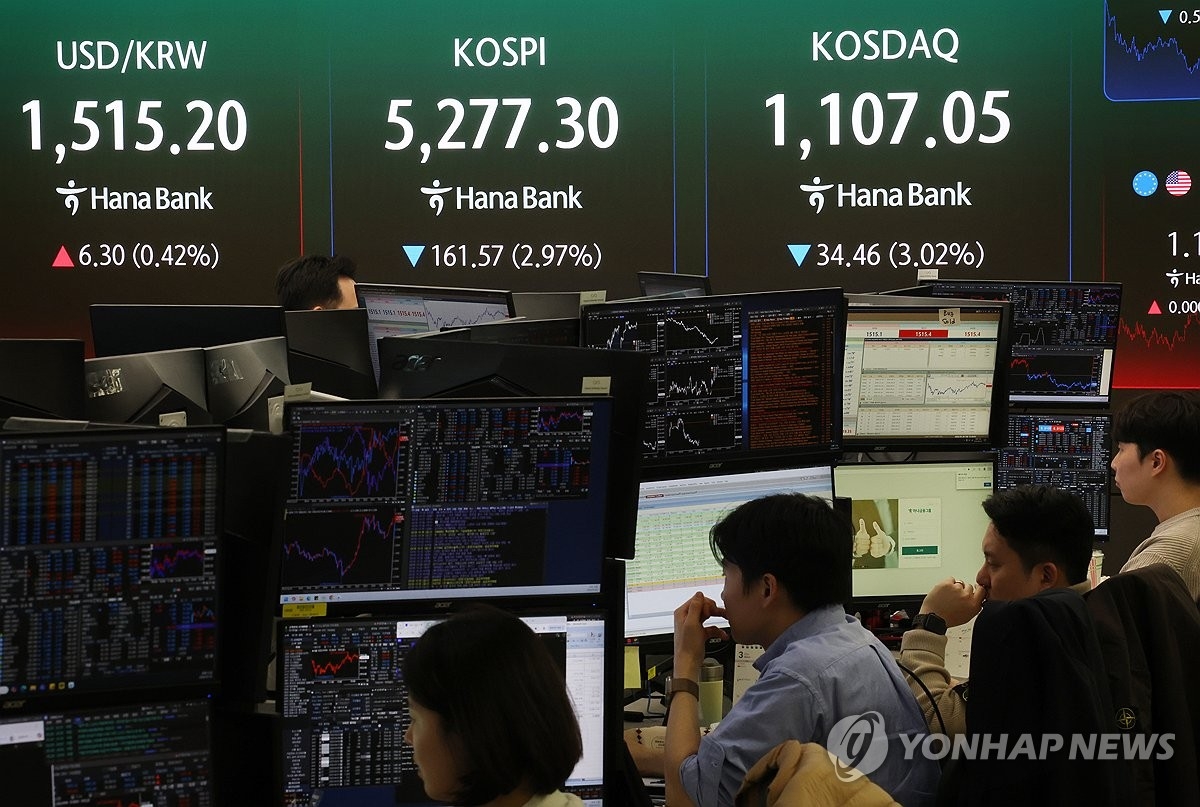
Escalating geopolitical tensions surrounding Iran sent shockwaves through Asian markets, with South Korea’s KOSPI index plummeting by nearly 3% on March 30th, briefly touching 5,270. This significant downturn was driven by a confluence of factors including rising oil prices, international instability, and a substantial sell-off by foreign investors totaling ₩2.13 trillion ($1.4 billion USD) in the stock market. The surge in the KRW/USD exchange rate to 1,515.7 also underscored market anxiety.
Asian Markets React to Geopolitical and Digital Asset Turmoil
While the broader market faltered, South Korean electric vehicle battery stocks, such as LG Energy Solution, showed resilience and rose, indicating a potential flight to perceived safe-haven growth sectors amidst uncertainty. However, the ripple effects extended beyond equities. Iran’s alleged attacks on aluminum production facilities in Bahrain and the UAE amplified global commodity market jitters, pushing Brent crude past $115 per barrel and raising concerns over critical supply chains, particularly through the Strait of Hormuz. This highlights the interconnectedness of global geopolitics and commodity prices, directly impacting export-reliant Asian economies.
In the digital asset space, the fallout from geopolitical events was less direct but equally chaotic. Rumors surrounding leaked emails of U.S. political figure Kash Patel triggered a frenzy of meme coin creation on platforms like Pump.fun, with dozens of tokens emerging. While the authenticity of the email leak remains unconfirmed and the alleged hacker group’s connection to Iran is under investigation, the rapid proliferation and subsequent sharp decline (often over 90%) of these ‘spiderkash’ themed coins exemplify the speculative and volatile nature of certain crypto segments. This contrasts sharply with the more structured developments in Decentralized Finance (DeFi). Uniswap (UNI) is attempting a rebound towards the $4 mark, facing renewed competition from centralized exchanges (CEXs) like Kraken and Coinbase, while aiming to evolve into a ‘programmable liquidity layer’ with its v4 update. Furthermore, the debate around ‘structural risks’ in DeFi derivatives intensified as Hyperliquid was featured in a Harvard Business School case study, signaling growing academic and regulatory scrutiny of the DeFi ecosystem.
What to watch: Traders should monitor how sustained geopolitical risks impact commodity prices and Asian export markets. In crypto, attention will be on whether DeFi platforms like Uniswap can navigate regulatory pressures and CEX competition, while meme coin sentiment remains highly unpredictable.
Disclaimer: This article is for informational purposes only and does not constitute financial advice. Always do your own research (DYOR) before making investment decisions.
Start Trading Today
Get exclusive bonuses through our partner links: