
Korean Banks’ Capital Ratios Dip Amid Dividend Hikes and FX Gains
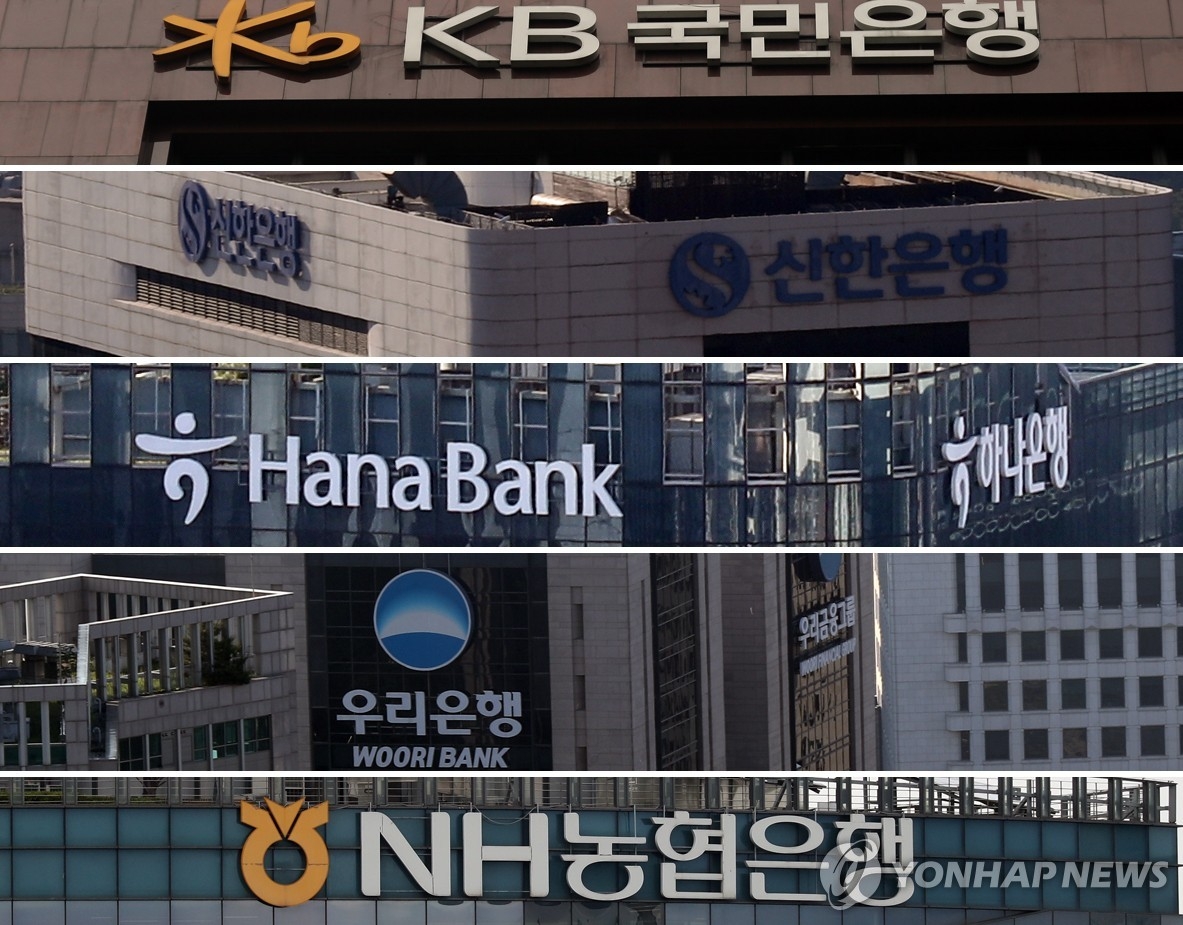
Korean banks’ crucial BIS capital ratios registered a slight dip at the end of last year, falling to 15.83% from the previous quarter. This marginal decline of 0.09 percentage points, with common equity ratios down 0.12 percentage points to 13.51%, is primarily attributed to increased dividend payouts and the impact of a weaker Won. Financial authorities pinpointed enhanced shareholder returns and foreign exchange rate fluctuations as key drivers.
This move by Korean banks, while seemingly minor, highlights a potential trend of prioritizing shareholder distributions. In an environment where capital is being deployed towards dividends, it could subtly impact their capacity for aggressive lending or new investments. For global investors watching Asian financial markets, this signals a mature banking sector balancing profitability with shareholder value, a dynamic that can precede broader economic policy shifts.
Geopolitical Shocks Ripple Through Crypto Markets
Separately, the cryptocurrency market experienced heightened volatility this past week, driven by escalating geopolitical tensions and a resurgence of meme coin speculation. Former U.S. President Trump’s warning of an imminent response to an Iranian attack on Israeli facilities reignited Middle East risk premiums, causing oil prices to surge and injecting caution into risk assets like Bitcoin. This renewed geopolitical uncertainty amplified Bitcoin’s price swings, demonstrating its sensitivity to global instability.
Meanwhile, the speculative frenzy surrounding meme coins was starkly illustrated by a rapid surge and subsequent crash. Triggered by a data leak involving the FBI Director’s emails, numerous Solana-based meme tokens launched on platforms like Pump.fun, only to plummet within hours. This event underscored the highly speculative and cyclical nature of the meme coin market, a segment that often reacts impulsively to online narratives and gossip, as seen with the ‘spiderkash’ alias linked to adult websites. The rapid capitalization and evaporation of these tokens highlight a recurring pattern of speculative excess that often precedes broader market corrections.
Further complicating the narrative around Bitcoin’s price action is the debate over its ‘buy-the-high’ strategy. Proponents argue that strategies are inherently pro-cyclical, meaning capital markets open when the environment is favorable, directly fueling Bitcoin purchases. This suggests that institutional capital flows are intrinsically tied to market sentiment, creating a self-reinforcing loop during bull phases. Understanding these capital flow dynamics is crucial for traders anticipating market movements.
What to watch: Monitor Korean banks’ future dividend policies and capital adequacy ratios for insights into broader financial sector health. Also, keep an eye on how geopolitical events and speculative meme coin cycles continue to influence Bitcoin’s volatility.
Disclaimer: This article is for informational purposes only and does not constitute financial advice. Always do your own research (DYOR) before making investment decisions.